
Introduction
The world of smartwatches is rapidly evolving, and two leading contenders in this space are the Google Pixel Watch and the Samsung Watch. Each offers users a unique blend of design, functionality, and advanced technology. This comprehensive comparison will delve into key aspects such as design, performance, battery life, and connectivity to help you decide the best fit for your lifestyle.
Design and Build Quality
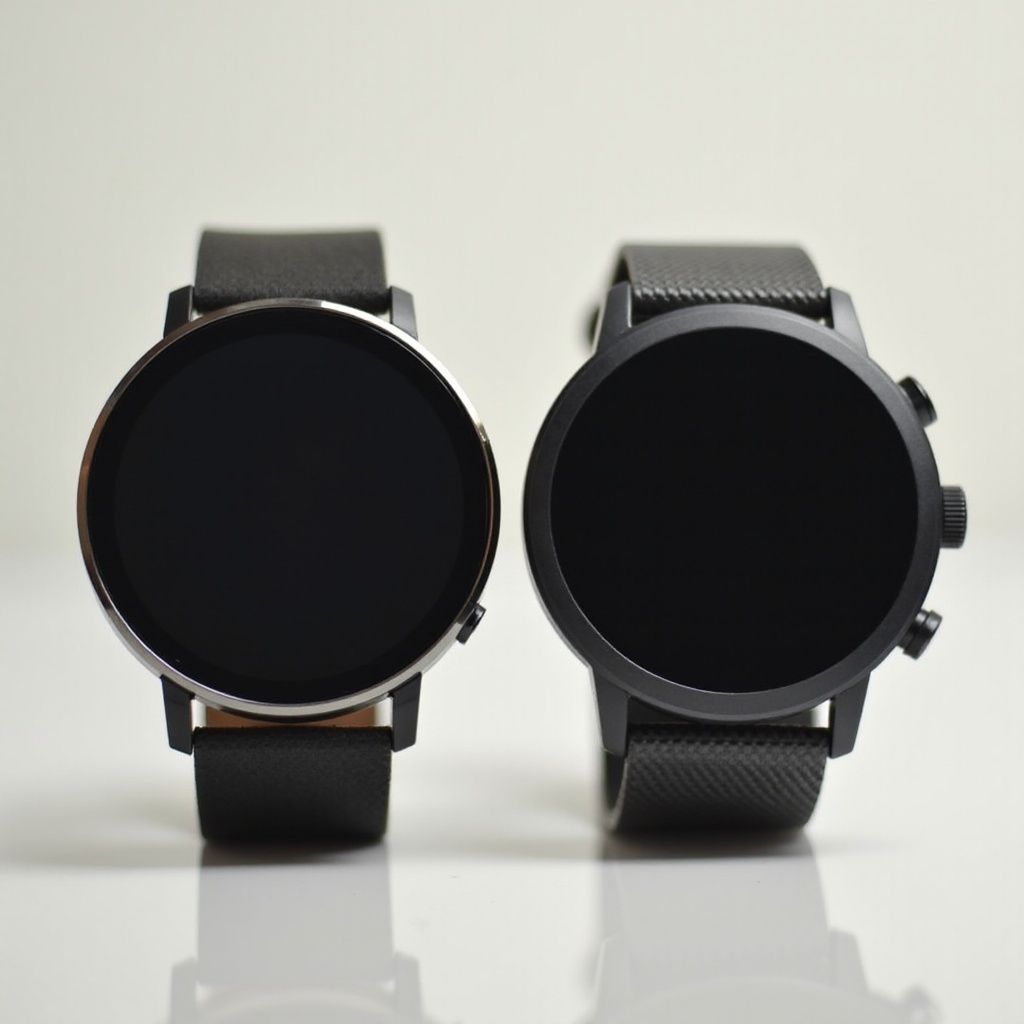
A smartwatch’s design greatly impacts user satisfaction. The Google Pixel Watch is revered for its minimalist aesthetics. It features clean lines and a contemporary look that seamlessly meshes with everyday fashion. The material quality ensures durability and a lightweight feel, making it ideal for both casual and formal settings.
In contrast, the Samsung Watch caters to a more active audience with its robust design. It withstands various environmental challenges without compromising on elegance. Customizable options, including faces and straps, allow users to personalize their experience further. Switching from design, this section leads us to consider the visual and interaction aspects of each device through their displays.
Display Features
Display technology is crucial to the smartwatch experience. Google Pixel Watch utilizes a vivid AMOLED display that offers sharp, bright visuals. Its always-on display feature ensures users can glance at critical information without activating the entire screen, conserving battery while maximizing function.
Samsung Watch also impresses with its Super AMOLED display, providing excellent outdoor visibility and clarity. This is especially advantageous for those who spend significant time in bright environments. The intuitive design complements the physical structure, providing a seamless transition into the software and performance of each watch.
Software and Performance
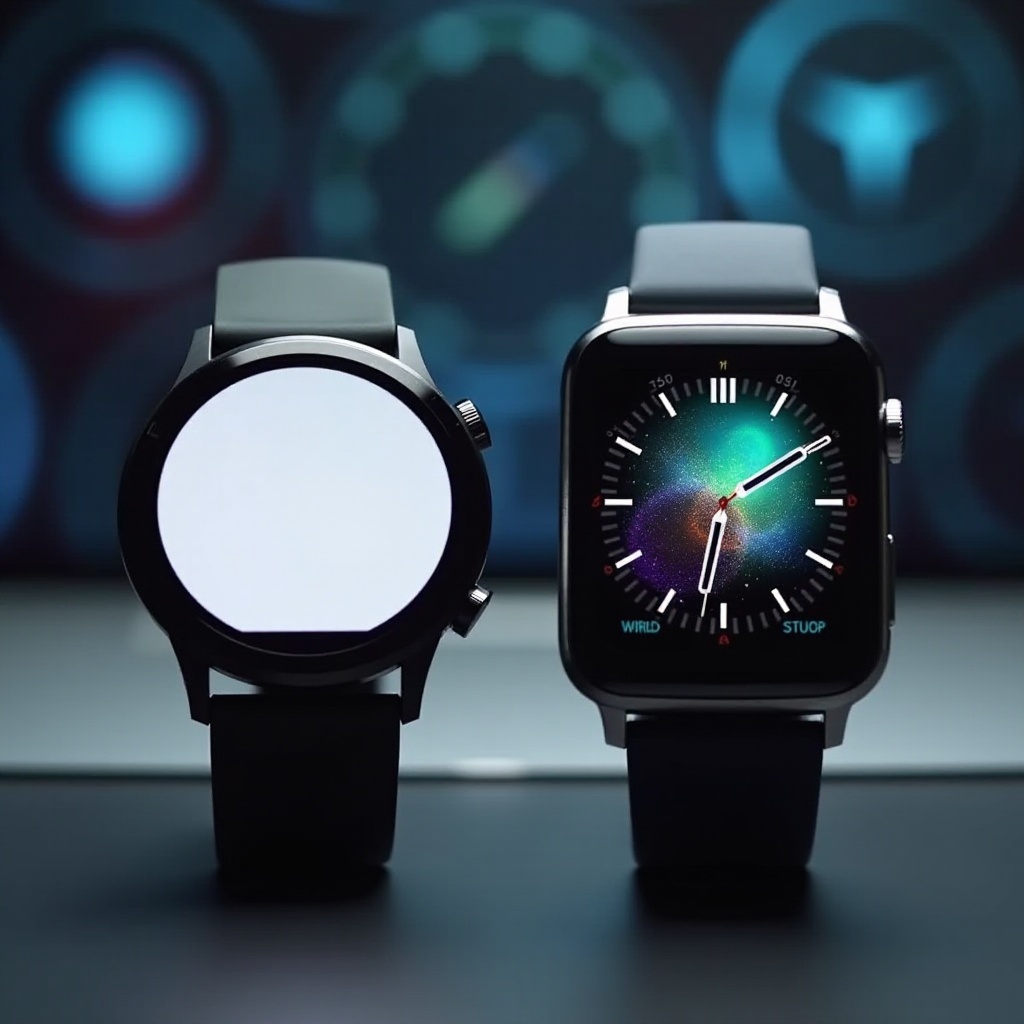
The Google Pixel Watch runs on Wear OS, offering integrated support for Google’s suite of services like Assistant, Pay, and Fit. Its app selection is extensive, providing a plethora of options for personal and professional needs. The performance is smooth, with a strong processor ensuring quick responses and fluid interaction.
On the other hand, the Samsung Watch operates on its proprietary Tizen platform. Known for its efficiency, Tizen ensures optimal performance and smooth navigation. Samsung’s ecosystem is impressive, offering integrated features for a unified user experience. Moving from software into the realm of health tracking, it’s clear each watch offers a distinct approach to user needs.
Health and Fitness Tracking
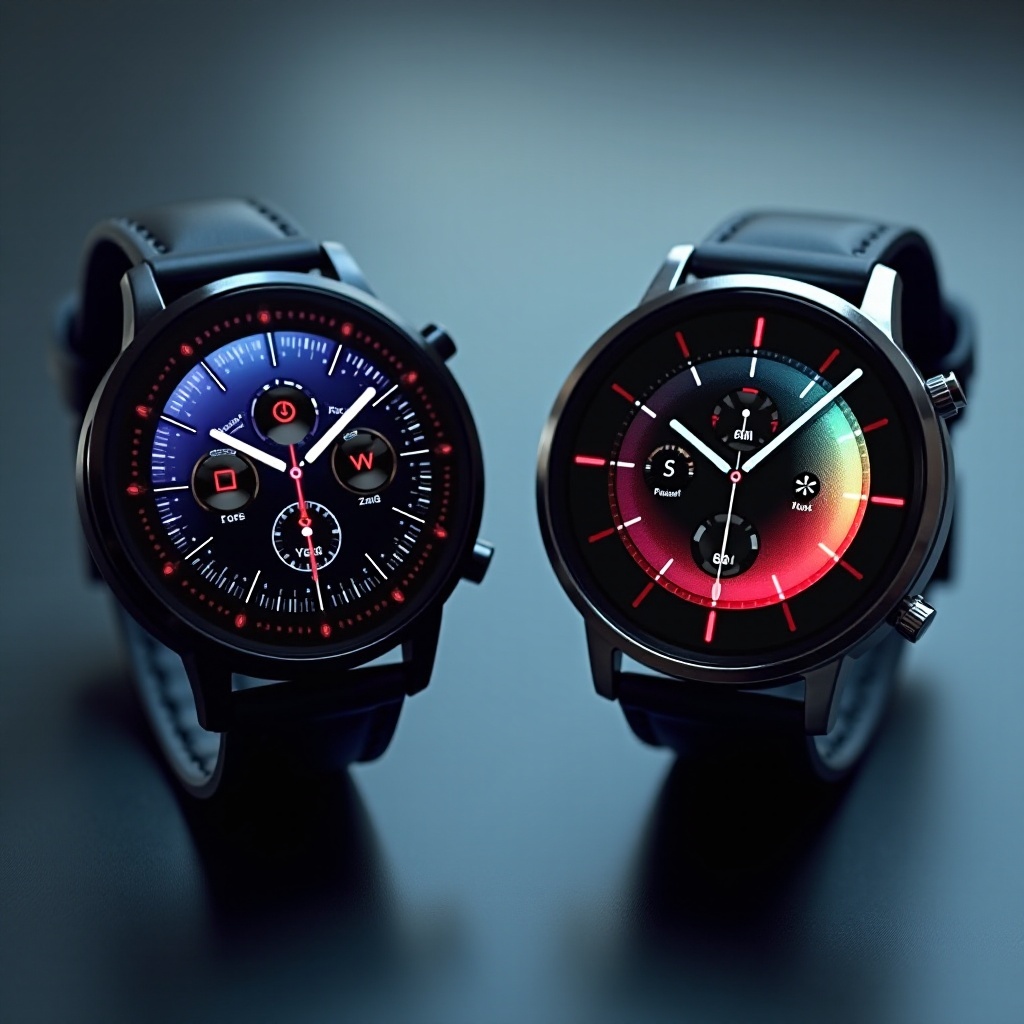
Both smartwatches excel in health and fitness but cater to slightly distinct audiences. Google’s Pixel Watch offers comprehensive standard metrics like heart rate and ECG monitoring. Its integration with Google Fit allows users to maintain a balanced approach to wellness with straightforward data insights.
Samsung Watch takes health tracking further with features such as blood oxygen levels, stress monitoring, and an advanced sleep tracker. Samsung Health provides detailed analytics for those seeking an in-depth understanding of their health patterns. The move from wellness to practical functionality sets the stage to explore the utility of each device’s battery performance.
Battery Life and Charging
Battery life and charging efficiency remain key considerations for smartwatch users. The Google Pixel Watch delivers solid battery performance, capable of lasting through a typical day on a single charge. Fast-charging capabilities mean brief charging sessions can result in substantial battery recovery.
Samsung Watch offers a slightly longer battery life, aided by Tizen’s optimizations. This extended longevity is beneficial for users who spend long periods away from chargers. Quick wireless charging is another feature, balancing lifestyle needs with practical power management. As we move towards connectivity, understanding how each device interacts with the broader tech ecosystem becomes crucial.
Connectivity and Compatibility
Seamless connectivity is paramount for a modern smartwatch. Both Google Pixel Watch and Samsung Watch are equipped with Bluetooth, Wi-Fi, and LTE functionalities, enabling independent operation from smartphones when desired.
For device compatibility, Google Pixel integrates exceptionally well with Android devices, taking full advantage of the Google ecosystem. It does work with iOS, albeit with some limitations. Samsung Watch also supports both ecosystems but provides an optimal experience when paired with Samsung products. This section informs the purchasing decision, as users must weigh device flexibility against ecosystem loyalty.
Price and Value
Price influences many buyers’ choices when considering features. Google Pixel Watch offers a competitive rate, delivering exceptional value given its features and tight integration with Google services. It suits users looking for a feature-rich, reasonably priced option.
Samsung Watch caters to a broad audience with a wide pricing range, from budget-friendly models to high-end devices packed with advanced functionalities. Each option represents a worthwhile investment, depending on user priorities. Transitioning from price to user experience helps understand how these choices manifest in real-world usage.
User Experiences and Feedback
Customer feedback provides valuable insights into smartwatch performance. Google Pixel Watch enjoys praise for its smooth software, beautiful design, and seamless integration with Google services. Users favor its intuitive operation and reliability.
Conversely, users of the Samsung Watch commend its durability, diverse health tracking capabilities, and vivid display. Feedback consistently highlights its suitability for active users who prioritize robust features and resilience. These user perspectives round off the comparison, guiding conclusions on suitability and preference.
Conclusion
Ultimately, both Google Pixel Watch and Samsung Watch offer compelling features for different user needs. The Pixel Watch appeals to those within the Google ecosystem seeking sleek, modern design. In contrast, the Samsung Watch shines for those needing durable construction and extensive health capabilities. Evaluating your priorities against these strengths will lead you to the ideal smartwatch choice.
Frequently Asked Questions
Which smartwatch is better for fitness tracking, Google Pixel or Samsung?
The Samsung Watch generally offers more comprehensive fitness tracking options, including advanced metrics like stress monitoring and blood oxygen levels.
Does the battery life of smartwatches differ significantly between the two brands?
Both watches offer full-day battery life, but the Samsung Watch slightly edges out in terms of longevity due to its optimized system.
Are both watches compatible with iOS devices?
Yes, both watches are compatible with iOS, but Google Pixel Watch has limitations compared to its integration with Android devices.