
Introduction
In the realm of smartphones, where technology rapidly advances, physical dimensions play a critical yet often overlooked role. A phone’s length in inches is essential, affecting usability, comfort, and overall experience. Whether you’re browsing products online or comparing in-store, understanding these dimensions helps ensure you pick a device that truly meets your needs.
Understanding Phone Dimensions
Phone dimensions encompass a few vital measurements: length, width, and thickness. The length, from the device’s top to bottom, is usually measured in inches in the US but can also be expressed in centimeters elsewhere. This measurement influences how comfortably a smartphone fits in your hand or pocket, impacting daily usage.
Inches are the standard unit for measurement in many regions, but knowing that 1 inch equals 2.54 centimeters can ease comparisons with international models. These dimensions provide a baseline understanding, critical when considering other factors such as aesthetics and functionality.
Average Phone Length in 2024
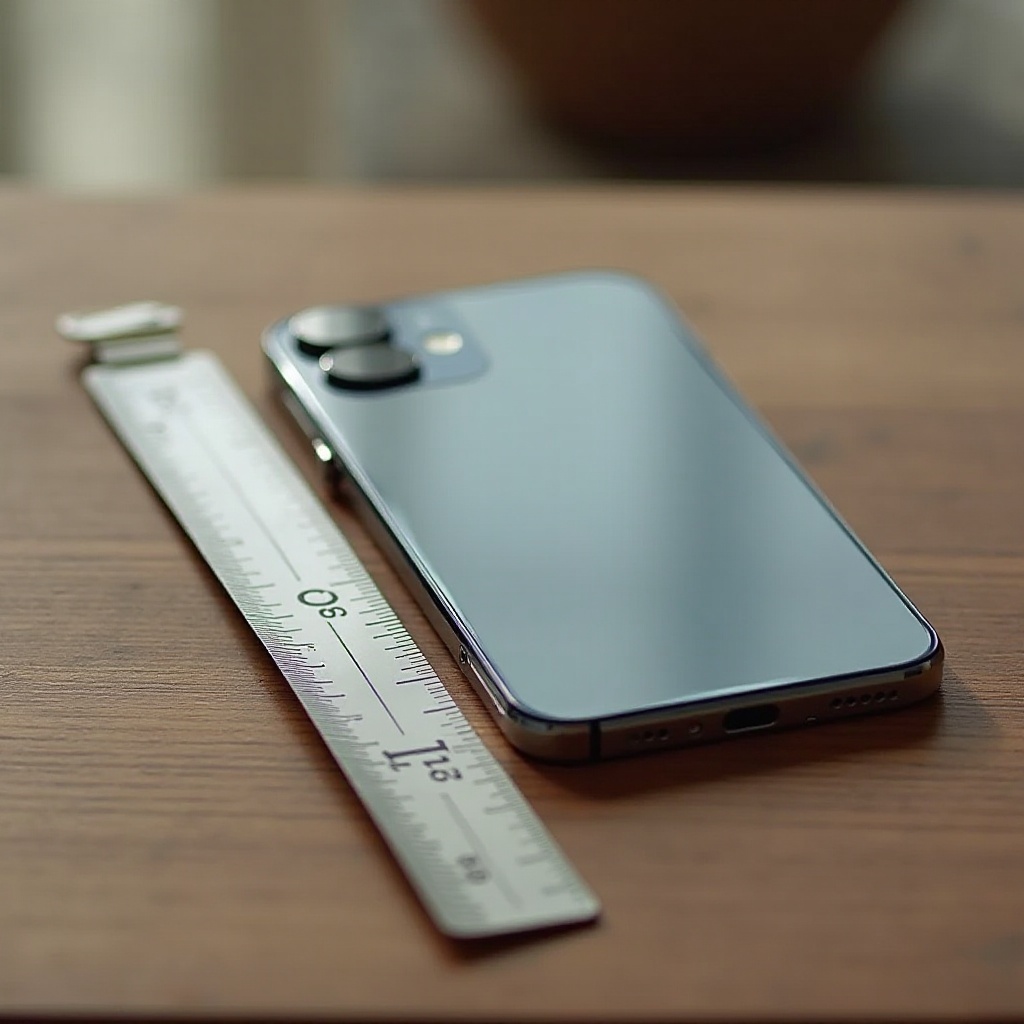
The quest for larger screens continues in 2024, with phone lengths reflecting this trend. Popular models, including the iPhone 15 and Samsung Galaxy S22, typically range from 5.5 to 6.7 inches in length. This increase accommodates expansive displays designed for immersive viewing.
Different brands display slight variations, often influenced by their design philosophies. Apple maintains a balance between screen size and device footprint, while Samsung leans towards maximizing display size for a broader view. Aligning these variations with your preferences ensures you select a device aligning with your lifestyle needs.
Factors Influencing Phone Length
Several factors determine a phone’s length, chief among them being display size. Manufacturers expand screen sizes to enhance the viewing experience, naturally resulting in longer devices. Screen-to-body ratios also impact phone dimensions, as slimmer bezels allow for larger screens without significantly altering overall dimensions.
User preferences and design trends further affect lengths. While some users lean towards compact phones for ease of one-handed use, others prefer longer devices for media consumption. As these preferences evolve, manufacturers offer an array of choices, meeting diverse needs.
These drivers show how the market shifts towards optimizing user experiences through varied phone sizes. By understanding them, you can align your options with your personal expectations and daily needs.
Practical Implications of Phone Length
The length of a phone directly impacts ergonomics. Longer models might be challenging to operate single-handedly, especially for users with smaller hands. This factor becomes essential in ensuring a firm and comfortable grip, enhancing everyday use.
Portability is just as crucial. Phones need to fit in pockets or bags without causing inconvenience. A longer phone’s practicality depends on striking a balance between screen functionality and comfortable portability, tailoring to individual routines and habits.
Evaluating these practical implications empowers you to make informed choices, ultimately leading to a more fulfilling interaction with technology.
Choosing the Right Phone Length for You
Picking the right phone length includes considering your hand size and how you comfortably grip devices. If a phone feels cumbersome, it may not suit everyday use. Reflect on common activities—texting, photography, gaming—to pinpoint the perfect size.
Consider your lifestyle as well. Whether you’re multitasking, working, or enjoying leisure time, each activity requires different device traits. Finding the right balance of screen size, length, and portability ensures a seamless fit into your digital lifestyle, enriching your user experience.
Choosing a phone is as much about practicality as it is about preference, combining both to complement daily life.
Conclusion
Phone lengths, though sometimes regarded as minor details, greatly influence how we engage with our devices. By understanding their importance, you can make strategic purchasing decisions that prioritize comfort, usability, and personal satisfaction. As phone designs continue to evolve, aligning with emerging trends and your preferences will ensure you choose a device that perfectly suits your life.
Frequently Asked Questions
What is the average phone length now?
The average phone length in 2024 is between 5.5 to 6.7 inches, aligning with trends for larger screens.
How do phone dimensions affect usability?
Dimensions affect handling, portability, and comfort, influencing how easily a device fits into daily life.
What should I consider when choosing a phone size?
Consider hand size, grip comfort, portability, lifestyle needs, and activities for which you use the phone.