
Introduction
Smart speakers have become essential tools that redefine how we interact with our homes. These devices offer numerous functionalities through simple voice commands, ranging from playing music to controlling smart home appliances. As artificial intelligence advances, smart speakers provide more accessible interaction options, integrating seamlessly into daily routines and enhancing convenience.
Defining Smart Speakers
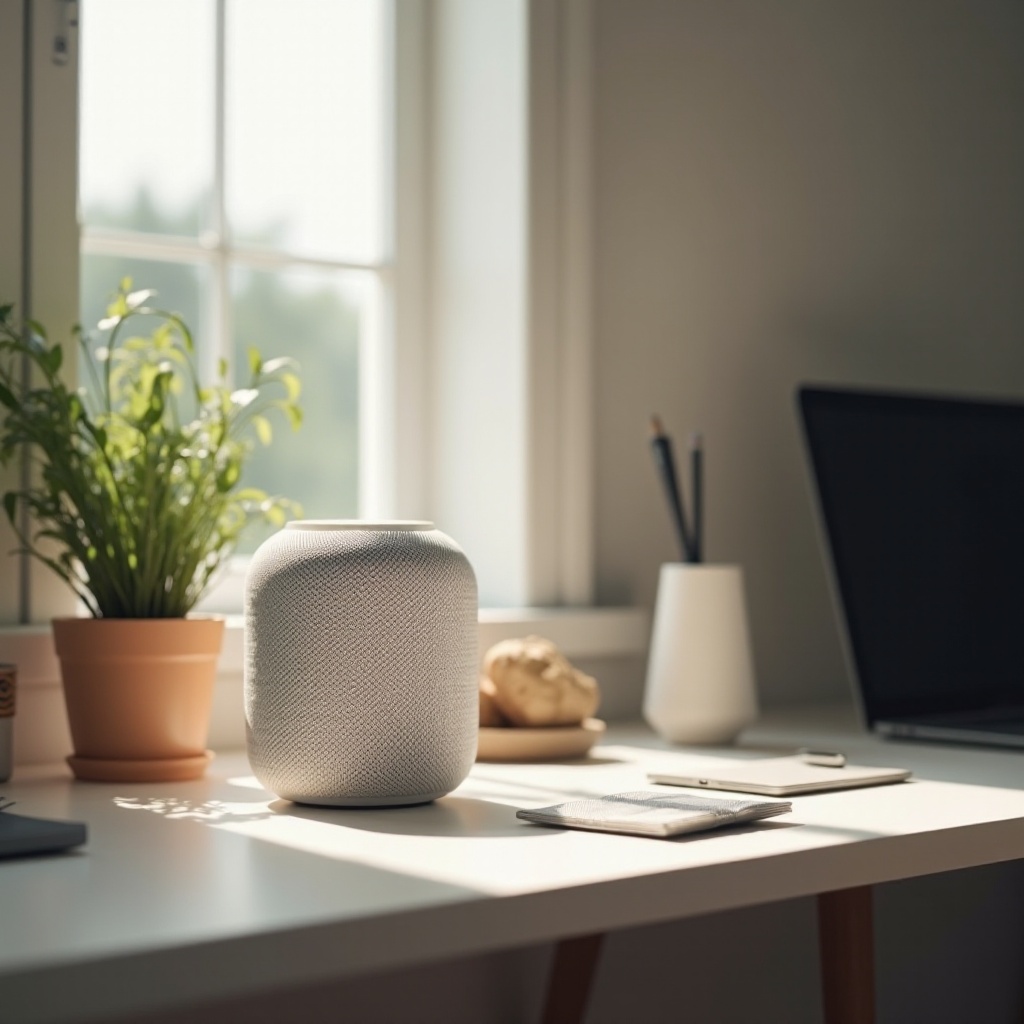
Smart speakers serve as the bridge between users and the digital world, equipped with virtual assistants like Amazon Alexa, Google Assistant, or Apple Siri. Unlike traditional speakers, they understand and execute voice commands to assist with tasks such as managing schedules, setting alarms, and accessing news updates. Their voice interaction capability marks a significant evolution from manual device handling to intelligent voice-controlled operations.
How Do Smart Speakers Work?
The functionality of smart speakers revolves around advanced voice recognition and cloud-based processing. Users activate the device with a specific wake word, prompting it to capture voice input. This input is then processed through algorithms in the cloud, allowing the speaker to respond or execute tasks accordingly. The seamless processing of voice commands enables users to perform tasks quickly and efficiently, integrating these smart devices into daily life effortlessly.
Key Features of Smart Speakers
Smart speakers boast an array of features designed to enhance the user experience:
– Voice Control and Recognition: Users can operate the device entirely hands-free, simply by issuing voice commands. This feature is essential for accessibility and ease of use.
– Integration with Smart Home Devices: Smart speakers often act as central controllers for various smart home gadgets, allowing users to manage lighting, security systems, and more all from one device.
– Audio Quality and Design: These speakers not only provide crisp, high-quality sound but also offer aesthetically pleasing designs that complement any home decor.
Popular Smart Speaker Brands and Models
Several brands dominate the smart speaker market, each offering unique features:
– Amazon Echo: Known for its versatile Alexa assistant, Amazon Echo covers a broad range of functions, including third-party skill support and smart home control.
– Google Nest: Integrating smoothly with Google services and offering superior voice command processing, Google Nest speakers stand out for providing natural language interactions.
– Apple HomePod: Renowned for excellent sound quality and flawless integration within the Apple ecosystem, making it a favorite for Apple enthusiasts.
Benefits of Using Smart Speakers
Smart speakers enhance modern living by offering:
– Convenience: They improve multitasking capabilities by allowing users to manage activities hands-free.
– Home Automation: These devices control various smart home technologies, simplifying household operations.
– Entertainment Hub: Whether streaming music, podcasts, or connecting to your favorite services, smart speakers serve as versatile entertainment centers.
Smart speakers’ ability to transform interaction paradigms provides immense lifestyle benefits, adding value by automating routine tasks and aggregating multiple functionalities into a single device.
Privacy and Security Concerns
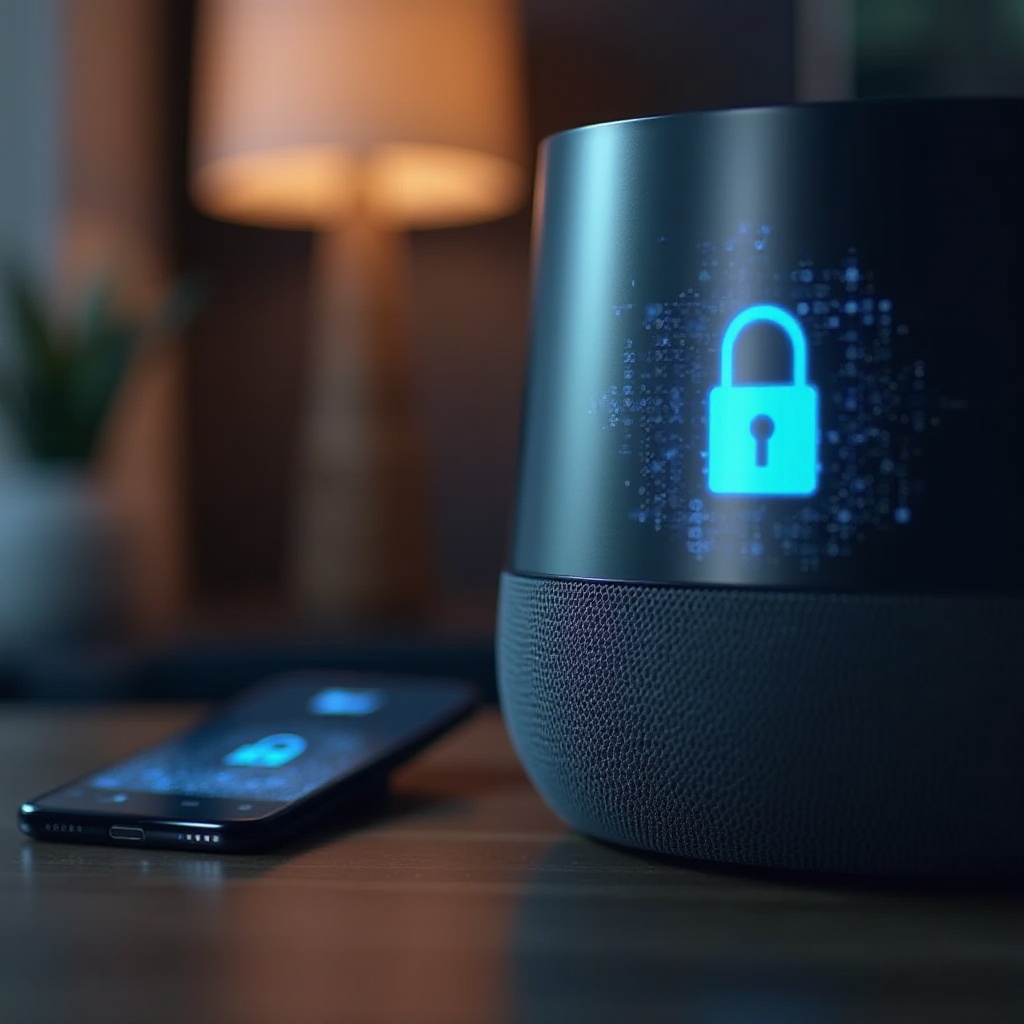
Despite their benefits, smart speakers raise privacy and data security concerns. These always-on devices continually listen for wake words, which has led to worry regarding unintentional recordings. Users should:
1. Regularly check and adjust privacy settings.
2. Mute the microphone when confidentiality is paramount.
3. Update software frequently to patch potential security vulnerabilities.
By addressing these concerns, users can ensure a balance between enjoying smart speaker conveniences and maintaining personal privacy.
The Future of Smart Speakers
The trajectory of smart speaker technology points towards continued innovation, with improvements in natural language processing, broader device compatibility, and enhanced personalization. As artificial intelligence becomes more sophisticated, these devices will play increasingly central roles in everyday workflows, potentially reshaping how future homes and offices operate.
Conclusion
Smart speakers have undeniably changed the digital interaction landscape, merging advanced technology with everyday convenience. By understanding their features and addressing privacy concerns, users can fully embrace the benefits of these devices while confidently integrating them into their lives.
Frequently Asked Questions
Are smart speakers always listening?
Smart speakers listen for a specific wake word before they start recording. They aren’t constantly recording conversations but are in a low-power state waiting to be activated.
Can smart speakers work without the internet?
Most functionalities of smart speakers require internet connectivity as they rely on cloud-based servers for processing commands and retrieving updates.
How can I improve the privacy of my smart speaker?
Enhance privacy by reviewing device settings, muting the microphone when not in use, and ensuring the latest software updates are installed.