
Introduction
Subwoofers have become an essential part of modern audio systems, delivering the resonant bass that transforms listening experiences from passive to immersive. Whether experienced in a movie theater or at home, the deep vibrations underscore the significance of a well-functioning subwoofer. What roles do these devices play, and why are they integral to superior sound systems?
Understanding subwoofers is crucial for both audiophiles and casual listeners seeking to enhance their audio setups. This article will dissect the core functions of a subwoofer, detail its impact on audio quality, and compare it to regular speakers. Moreover, we will explore the various types of subwoofers, guide you on selecting the perfect match for your needs, and offer installation tips to ensure you get the most out of your investment.
Understanding Subwoofers
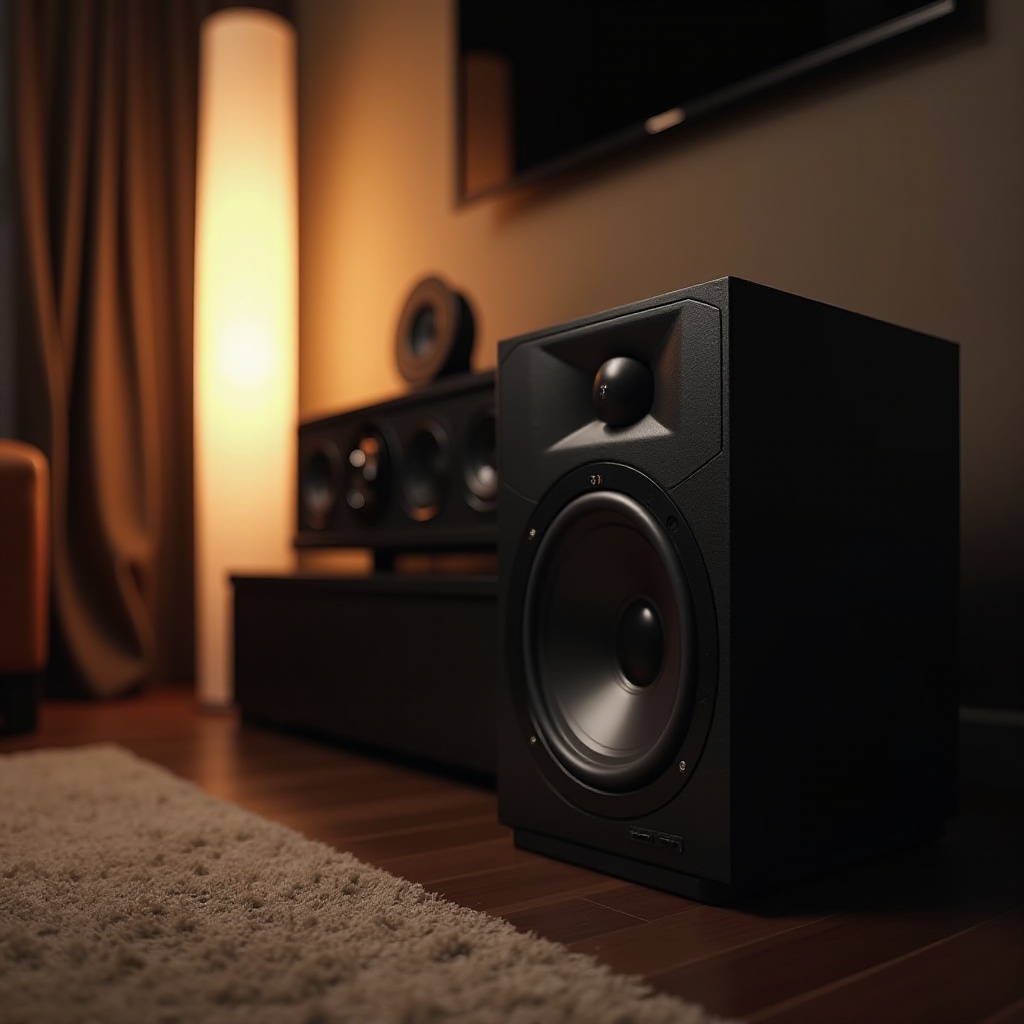
Subwoofers specialize in reproducing the low-frequency sounds that many speakers struggle to deliver. This coverage typically ranges from 20Hz to 200Hz, making subwoofers indispensable in achieving a complete audio spectrum.
Definition and Basic Functions
At their core, subwoofers are designed to deliver bass tones that add weight and dimension to every listening session. By handling these low frequencies, they ensure your audio system provides a richer and fuller sound profile. From filling large arenas at concerts to enhancing the realism in film soundtracks, subwoofers ensure an enveloping auditory experience.
Subwoofers vs. Regular Speakers
While all speakers aim to transmit sound, subwoofers are uniquely positioned to amplify the bass range, which ordinary speakers often undervalue. Regular speakers might offer crisp highs and mids but adding a subwoofer ensures you won’t miss the vital lows. This specialization allows subwoofers to complement and enhance the capabilities of an overall audio system.
The Impact of Subwoofers on Audio Quality
Subwoofers are not just about louder bass; they refine audio quality by bringing warmth and realism to different music genres and cinematic experiences. Integrating a subwoofer into your audio setup elevates the depth of sound you perceive, turning a simple listening session into an emotive experience.
Enhancing Bass and Depth
Subwoofers excel at delivering the bass that other speakers cannot, ensuring that every note and beat reverberates in your space. They transform soundtracks and playlists by adding a third dimension to listening—one you can feel as well as hear. This enhancement is particularly evident in action-packed films or bass-heavy music genres like hip-hop and EDM.
Applications in Different Audio Environments
Subwoofers are versatile and excel in diverse settings. In home theaters, they contribute to the immersive experience by making viewers feel part of the action on screen. Car subwoofers add vibrant depth to road trips, while club sound systems use them to deliver beats that keep people dancing. Subwoofers ensure that no matter the setting, you enjoy uncompromised sound quality.
Types of Subwoofers
Navigating the array of subwoofer types available can seem daunting, but understanding their differences will aid in selecting the right one for your needs.
Active vs. Passive Subwoofers
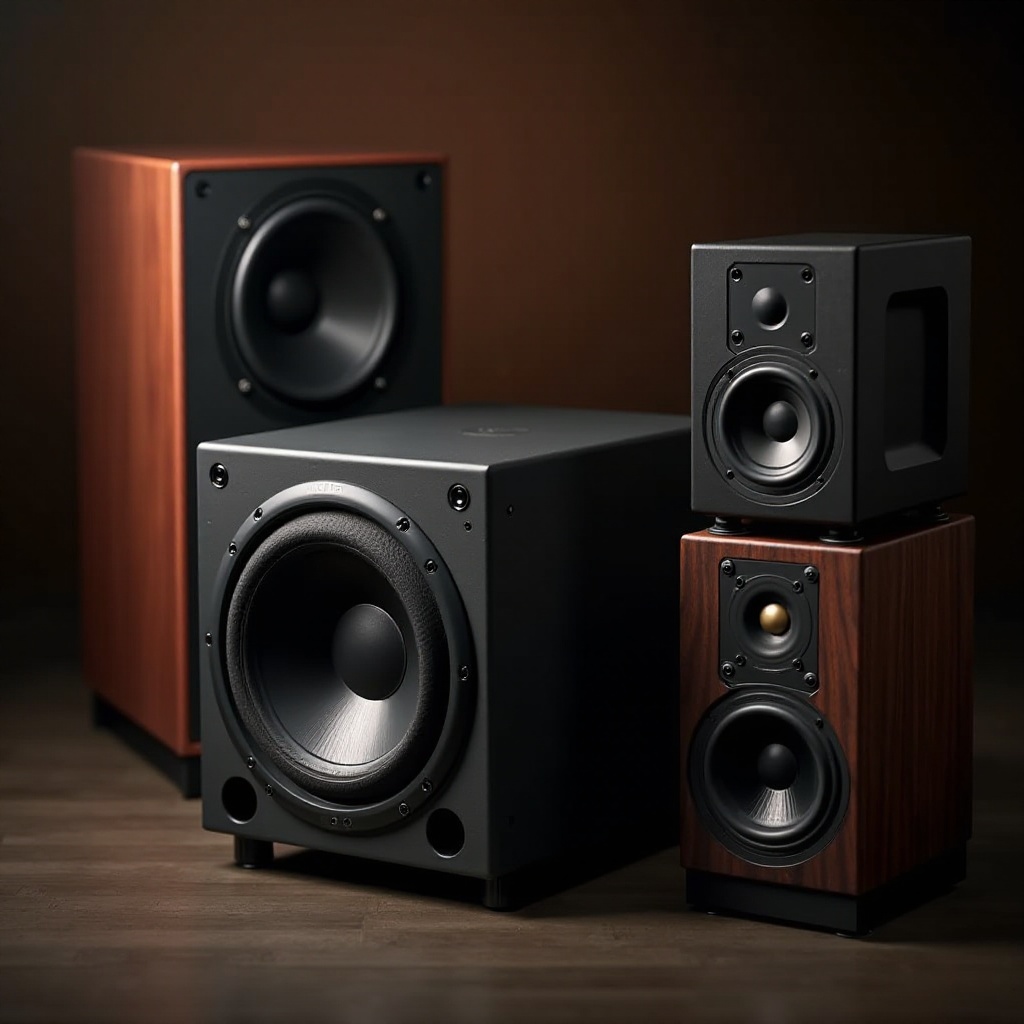
Active subwoofers include built-in amplifiers, simplifying installation and reducing the necessity for additional equipment. They are an all-in-one solution for most home audio systems. Passive subwoofers require an external amplifier, offering more customization options, but also demanding more effort in setup and integration.
Ported vs. Sealed Enclosures
Subwoofer enclosure styles greatly affect sound output. Ported enclosures use an internal vent to increase efficiency and bass output, catering to users who prioritize high impact. Sealed enclosures, on the other hand, offer a more controlled and accurate bass response, ideal for smaller rooms or listeners seeking precise sound reproduction.
Wired vs. Wireless Options
Recent technological advancements present choices between wired and wireless subwoofers. Wired options often deliver more reliable and consistent audio quality. However, wireless subwoofers provide flexibility in placement, allowing easy rearranging of your living space without the constraints of cable lengths.
How to Choose the Right Subwoofer
Choosing the right subwoofer requires a careful evaluation of the space, personal audio preferences, and budget constraints. Every decision factor corresponds with how well your new addition will integrate into your existing system.
Factors to Consider: Room Size and Audio Preferences
The dimensions of your living space will dictate the kind of subwoofer you need. Smaller rooms might be overwhelmed by powerful subwoofers, whereas larger areas can benefit from more robust models. In addition, understanding your taste in audio—whether highlighting bass-intensive music or preferring balanced soundscapes—will help guide your choice.
Budgeting and Performance Goals
With subwoofers, as with most audio equipment, higher investment often leads to higher quality. Define what you aim to achieve with the subwoofer and set your budget accordingly. Balancing your expectations and financial plans will ensure satisfaction with your purchase.
Installation and Placement Tips
Proper installation maximizes a subwoofer’s effectiveness. Key practices ensure your subwoofer performs to its potential, enhancing your entire audio setup.
-
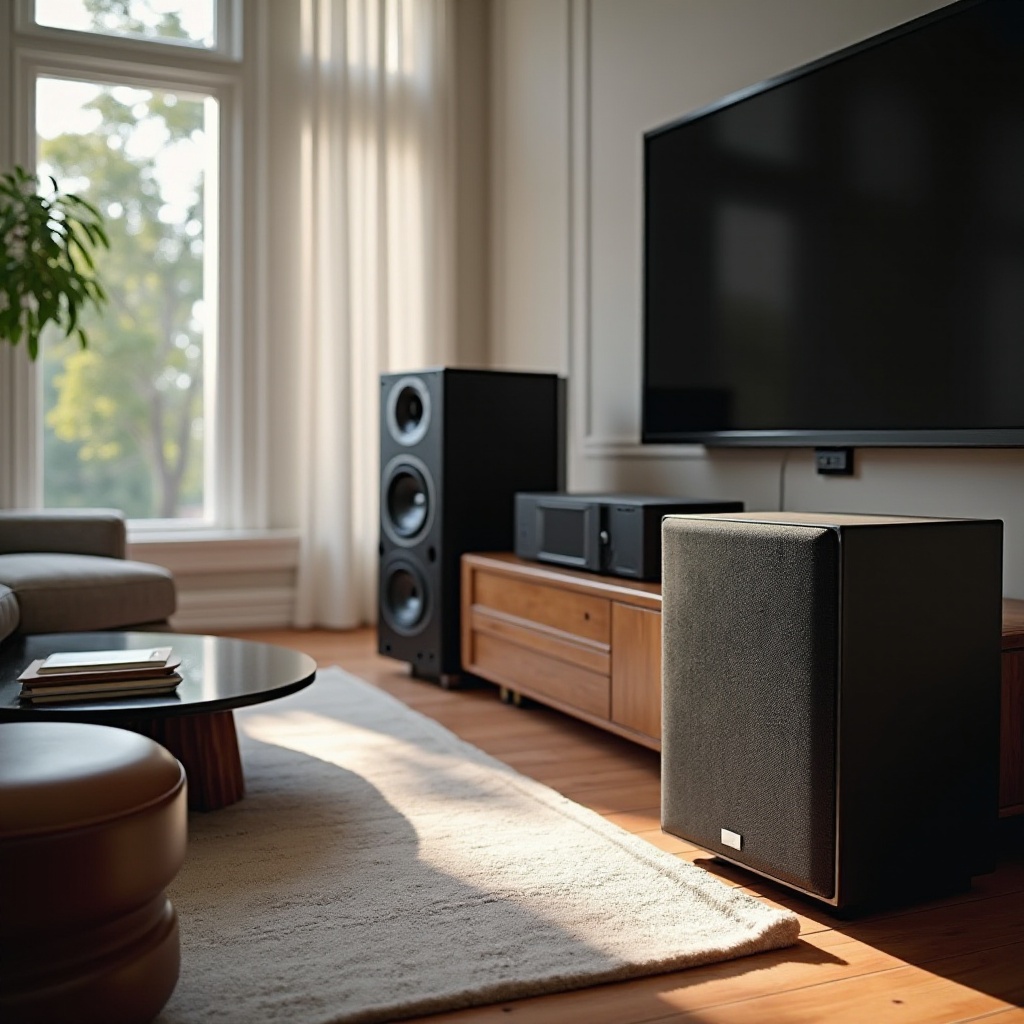
Identify Ideal Placement: Experiment with different locations, like corners, where bass is naturally amplified, for the best sound distribution.
-
Avoid Pitfalls: Stay clear of placing subwoofers close to walls, which might cause sound distortion.
Careful consideration of placement and thorough calibration ensures that your subwoofer complements the rest of your audio system without overpowering it.
Conclusion
Subwoofers transform basic audio setups into captivating soundscapes, enriching how music and films are experienced. By understanding what a subwoofer does and selecting a type suitable for your space and preferences, you can significantly enhance your auditory enjoyment. As an integral component of complete audio systems, subwoofers create sound experiences that are both felt and heard.
Frequently Asked Questions
What is the difference between an active and a passive subwoofer?
Active subwoofers have built-in amplifiers, simplifying setup, while passive ones require external amplifiers, offering more flexibility and customization.
Can a subwoofer be used with any speaker system?
Yes, subwoofers are compatible with most audio systems, provided your main setup has the outputs necessary for integration.
How do I know if my subwoofer is properly calibrated?
Proper calibration ensures the subwoofer complements rather than overpowers the other speakers. Sound tests and frequency response measures can confirm this.