
Introduction
For those living in rural settings, achieving clear and reliable TV reception can be a daunting task. The distance from broadcast towers and interference from natural surroundings like mountains and forests often contribute to poor signal quality. Fortunately, investing in the right indoor HDTV antenna can significantly improve your TV viewing experience. This guide will walk you through the essential elements of choosing the perfect indoor HDTV antenna tailored for rural areas, ensuring uninterrupted access to your favorite programs.
Understanding HDTV Antennas for Rural Areas
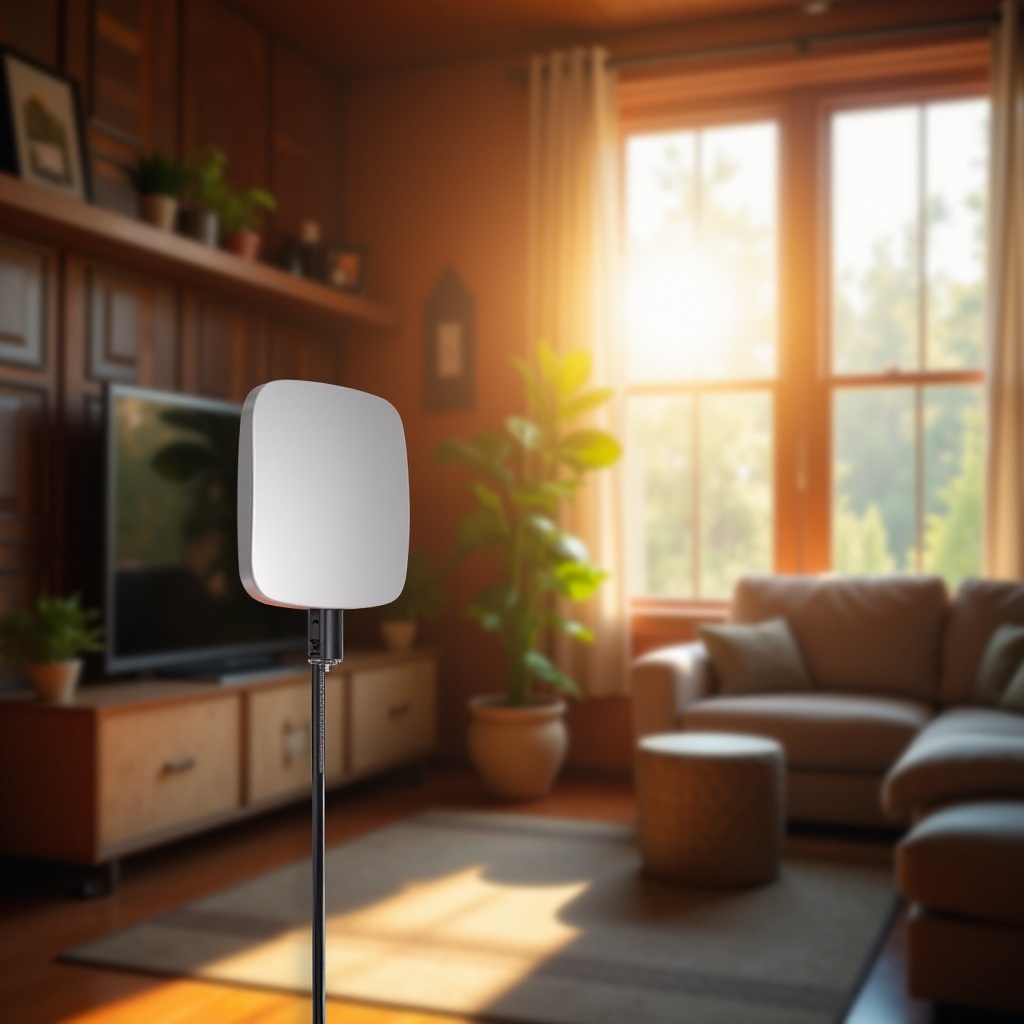
After acknowledging the need for a specialized antenna, it’s important to delve into how these devices operate within a rural context.
Why Rural Areas Need Specialized Antennas
Rural areas face unique challenges in capturing TV signals due to the greater distances from broadcast towers and common physical obstructions. Specialized indoor antennas are designed to handle these challenges by optimizing the reception and amplifying weak signals to deliver better picture quality.
How Indoor HDTV Antennas Work
Indoor HDTV antennas are designed to receive free over-the-air broadcasts from local stations. These antennas capture signals that are broadcast from TV stations, convert them into electrical signals, and deliver them to your TV in digital format. Unlike cable or satellite options, indoor antennas provide an economical solution for accessing a wide range of local channels.

Key Features to Look for in the Best Indoor HDTV Antennas
Once you understand the necessity of an HDTV antenna in rural settings, it’s crucial to recognize the features that enhance their performance.
Signal Range and Frequency Bands
The efficiency of an indoor antenna largely depends on its signal range, which should match the distance from nearby broadcast towers. For comprehensive coverage, opt for antennas that support both UHF (Ultra High Frequency) and VHF (Very High Frequency) bands. This ensures that users can access a broader range of channels without missing out on their favorites.
Amplified vs. Non-Amplified Antennas
An amplified antenna boosts weak signals, making it a superior choice for rural areas where signal strength can be marginal. On the other hand, non-amplified models are suited for locations with a robust signal foundation, but may not be ideal for vast rural landscapes.
Multi-directional vs. Directional Antennas
A multi-directional antenna can capture signals from multiple directions, beneficial for areas with scattered broadcast sources. Conversely, directional antennas focus on signals from a particular direction, ideal for locations where broadcast towers are concentrated in one area. Choose according to the layout of your region to maximize signal reception.
Top 5 Indoor HDTV Antennas for Rural Areas in 2024
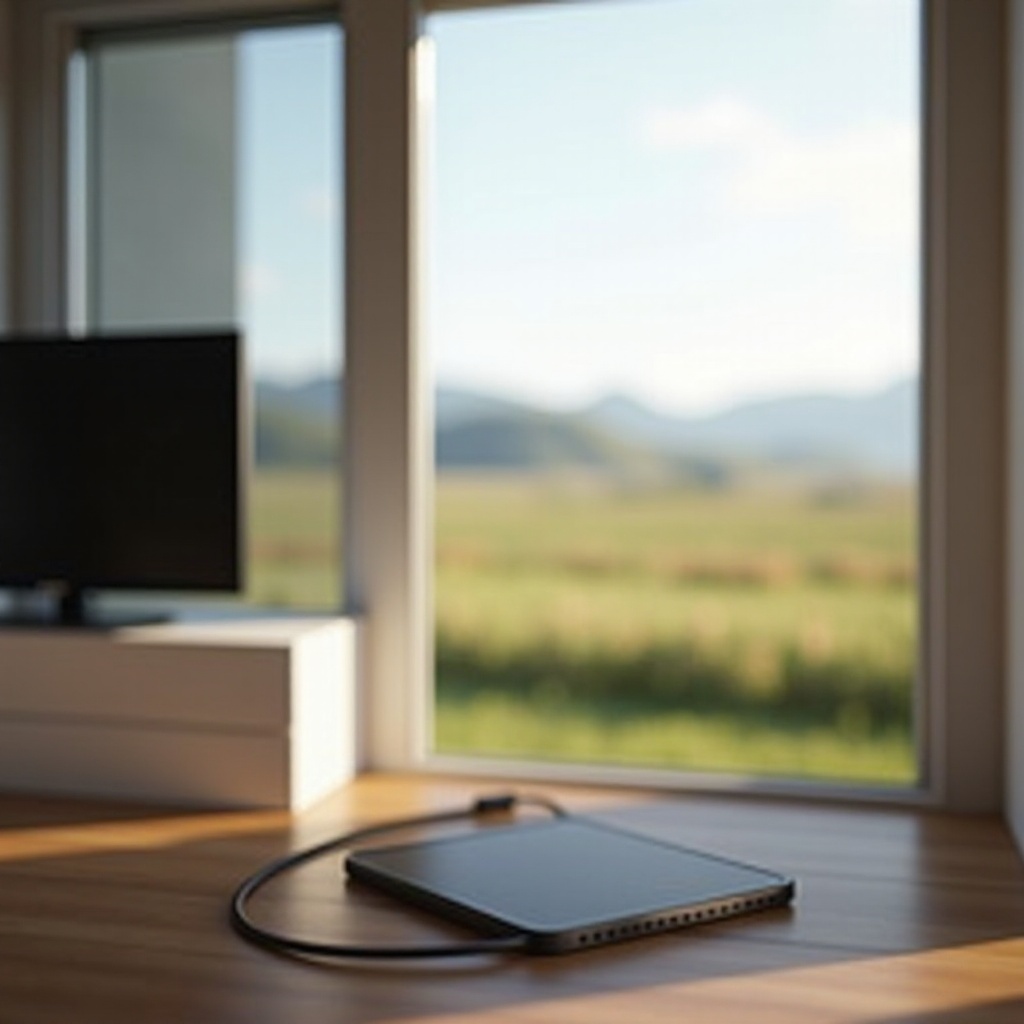
With an understanding of key features, let’s explore the top indoor HDTV antennas available on the market in 2024, ideal for rural environments.
Product 1: Features, Pros, and Cons
- Features: Offers an extended reception range, supports multi-directional signals, includes an integrated amplifier.
- Pros: Provides excellent signal strength, easy installation process.
- Cons: May need repositioning in case of signal fluctuation.
Product 2: Features, Pros, and Cons
- Features: Utilizes smart signal technology, contains an enhanced amplifier, flaunts a modern design.
- Pros: Delivers strong reception, aesthetically pleasing.
- Cons: Higher price range compared to basic models.
Product 3: Features, Pros, and Cons
- Features: Includes 360-degree reception capability, LED signal indicator, compatible with VHF/UHF.
- Pros: Provides easy monitoring of signal strength, highly adaptable.
- Cons: Can be bulky for smaller living spaces.
Product 4: Features, Pros, and Cons
- Features: High-gain reception design, comes with an elevation stand, compact form.
- Pros: Space-efficient, performs reliably for distant signals.
- Cons: Optimal performance may require occasional adjustments.
Product 5: Features, Pros, and Cons
- Features: Includes frequency level indicators, sleek profile, energy-saving amplifier.
- Pros: Consistent performance, minimizes energy usage.
- Cons: Limited in color options.
Installation and Optimization Tips
After selecting the ideal antenna, proper installation and optimization are paramount for achieving the best signal reception in rural areas.
Best Placement Strategies for Maximum Reception
- Position the antenna near a window or higher ground to improve signal capture.
- Avoid placing it near devices that could interfere with reception, like wireless routers.
- Adjust the antenna to different locations if the signal is weak, noting that higher placements tend to yield better results.
Troubleshooting Common Issues
If you encounter reception issues:
1. Reposition the antenna to an alternate location.
2. Make sure your TV or converter box firmware is up to date.
3. Assess whether weather conditions are affecting your reception, as they can have a temporary impact.
Additional Considerations for Rural Area Viewing
Beyond understanding and installation, considering the finer details can further enhance TV viewing in rural settings.
Weather Impact on Signal Strength
Weather conditions in rural areas, such as heavy rain, snow, and storms, can impact your signal reception. It is essential to secure your antenna’s position to minimize displacement from strong winds and ensure consistent performance.
Conclusion
Selecting the best indoor HDTV antenna for rural areas involves a combination of understanding key features and tailoring choices to your environment. By making informed decisions based on your region’s layout and potential obstacles, you can significantly enhance your TV viewing experience without the cost of cable subscriptions.
Frequently Asked Questions
How can I improve my indoor antenna’s reception in a rural area?
To improve reception, experiment with antenna positioning, avoid electronic interference, and consider using an amplified model if you’re far from broadcast towers.
Are amplified antennas better for rural areas?
Amplified antennas can provide a significant boost to weak signals, making them ideal for rural areas located far from broadcast sources.
Can weather affect my HDTV antenna signal?
Yes, weather conditions like rain and storms can affect signal strength. Proper placement and secure installation can help minimize these effects.